27 November 2026
How to read nicotine pouch labels before you choose a strength
Presented by @pouchwise
Nicotine pouch labels can look straightforward at a glance, then become confusing once you see strength scales, milligrams, pouch counts and flavour names sitting side by side. A clear label does more than tell you what is in the tin. It helps you compare products calmly and choose something that fits your own needs as an adult user.
The useful approach is to read the label in the same order each time. Start with the nicotine information, then look at the stated strength, pouch size, quantity and flavour. After that, think about how those details relate to tolerance and the way you expect to use the product. This takes the guesswork out of comparing nicotine pouches by strength and reduces the chance of picking something stronger than intended.
Start with the nicotine content
The first detail to find is nicotine content. This is usually shown as milligrams per pouch, sometimes alongside milligrams per gram. Both figures can be useful, but they answer slightly different questions. Milligrams per pouch tells you how much nicotine is stated to be in one pouch. Milligrams per gram describes the concentration in the pouch material, which can make two products look comparable even when the pouches are different sizes.
Read the unit carefully. A number without a unit is not enough to judge strength. If the label gives a per pouch figure, treat that as the more direct comparison when you are deciding between products. If it only gives a concentration, check whether the pouch size is also stated, because a smaller pouch can contain less total nicotine than a larger one at the same concentration.
Watch for wording that separates nicotine content from nicotine release. Nicotine release relates to how the nicotine becomes available during use. A product with a familiar number may still feel different because of the pouch, moisture level and formulation. The label can give you a starting point, but it cannot tell you exactly how a product will feel for every person.
Check the strength rating next
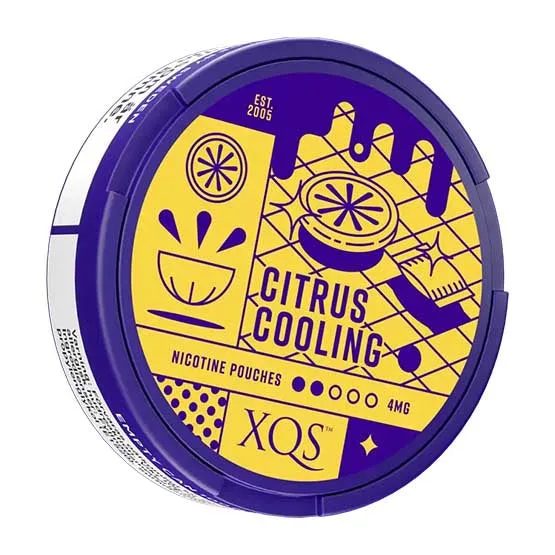
Many labels use a strength rating, often shown with numbers, dots, bars or descriptive words. This is a quick way to sort products, but it is not a universal language. One brand's mid-strength may not match another brand's mid-strength. The rating is best used as a signpost, then checked against the nicotine content and pouch details.
If you are comparing products across several brands, write down the rating and the milligrams together. That small habit makes patterns easier to spot. You may find that two products with similar ratings differ in nicotine per pouch, or that a higher rating comes in a smaller pouch size. Neither detail is automatically better. The right choice depends on what you are used to and how you want the product to fit your routine.
Be cautious with labels that rely only on bold words such as extra strong or mint extreme. Flavour intensity and nicotine strength are not the same thing. A sharp flavour can make a product seem stronger than it is, while a mild flavour can make a stronger pouch seem gentle. Separate the two ideas when reading.
Read the pouch size and count
Pouch size is easy to overlook, yet it can change how a product feels. A slim pouch or mini pouch may sit more discreetly under the lip and can feel less noticeable. A larger pouch may feel more substantial and may carry a different amount of nicotine. The label may describe the format, the number of pouches in the tin, or both.
Count matters for practical reasons. A tin with more pouches may last longer, but that does not mean it is better value or better suited to you. Think about how often you expect to use pouches and whether a smaller tin helps you stay organised. For a first comparison, choose a format that feels manageable rather than focusing only on the largest count.
When the label lists both nicotine content and pouch size, read them together. A lower per pouch figure in a larger pouch may feel different from the same figure in a mini pouch. This is one reason nicotine pouches for different preferences cannot be judged by a single number on the front of a tin.
Look at flavour separately from strength
Flavour names are often the most prominent part of a label. Mint, citrus, berry and tobacco style descriptions can help you narrow choices, but they should be read as flavour information, not strength information. A cool mint can feel crisp because of the flavour profile, not because the nicotine is higher. A sweet flavour can make a product seem smoother, even when the stated strength is moderate.
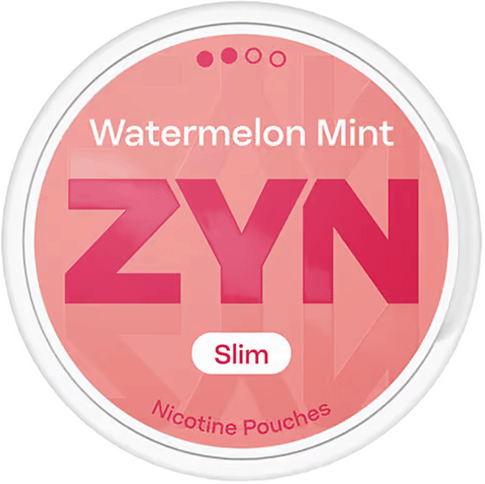
If a label uses a flavour name you recognise, it can still be worth checking the other details. Products change, and similar names may sit across a range of strengths. Read the flavour line, then return to the nicotine content and strength rating. This prevents a pleasant flavour from pulling attention away from the details that matter more when comparing options.
For adults who like variety, keeping flavour and strength as separate decisions makes the range easier to understand. You might choose one strength for regular use and a different flavour for variety, without changing strength. That is where nicotine pouches for different preferences become easier to compare, because each detail has its own place in the decision.
Match the label to tolerance and intended use
Once you understand the figures, compare them with your tolerance. Tolerance is a practical consideration, especially if you already use nicotine in another form. A product that looks modest on a label can still feel strong if your current intake is low. A higher strength may feel less noticeable if you are used to nicotine, but that does not make it a sensible starting point.
There is no universal starting strength that suits everyone. A careful approach is to read the full label, choose a lower or moderate option where available, and pay attention to how it feels. If a product feels uncomfortable, stop using it and reassess. If it feels too mild, compare the stated nicotine content and strength rating before trying a different option.
Also consider timing. Some people prefer a lower strength for frequent use, while others choose a stronger option for occasional use. The label will not make that decision for you, but it gives the facts needed to make it with more confidence.
Use a consistent comparison method
The best way to read labels is to make the process repeatable. Look at the same details each time, in the same order, and avoid relying on the front of the tin alone. A quick comparison might include the nicotine content per pouch, the strength rating, the pouch format and the flavour description. Keeping those details together gives a fuller picture than any one line.
A simple method can help:
- Find the nicotine content and note the exact unit.
- Check the strength rating, then compare it with the milligrams shown.
- Read the pouch size and count to understand the format.
- Separate the flavour description from the strength information.
- Decide whether the product fits your tolerance and how you plan to use it.
This method works whether you are looking at one tin or comparing several brands. It also makes it easier to return to a product later, because you will know which details mattered to you. Rather than searching for the strongest option, the aim is to find a clear match between the label, your preferences and your comfort.
Nicotine pouches are not for children or young people, and they should be kept out of reach. If you are unsure whether nicotine is suitable for you, especially because of health circumstances or other medicines, a healthcare professional is the right person to ask. Labels are useful tools, but they work best alongside informed judgement and careful use.